 Orthognathic Surgery: Everything You Need to Know About Corrective Jaw Surgery
A healthy smile is more than straight teeth. The alignment of your upper and lower jaws plays an essential role in chewing, speaking, breathing, and facial appearance. When the jaws are significantly misaligned, braces alone may not be enough. In such cases, orthognathic surgery, also known as corrective jaw surgery, can restore proper function and improve facial harmony. Orthognathic surgery is generally performed in combination with orthodontic treatment to correct skeletal jaw discrepancies that braces alone cannot fix.
At Zeal N Dentistry, we believe in educating patients about advanced dental and facial corrective treatments so they can make informed decisions about their oral health.
What is Orthognathic Surgery?
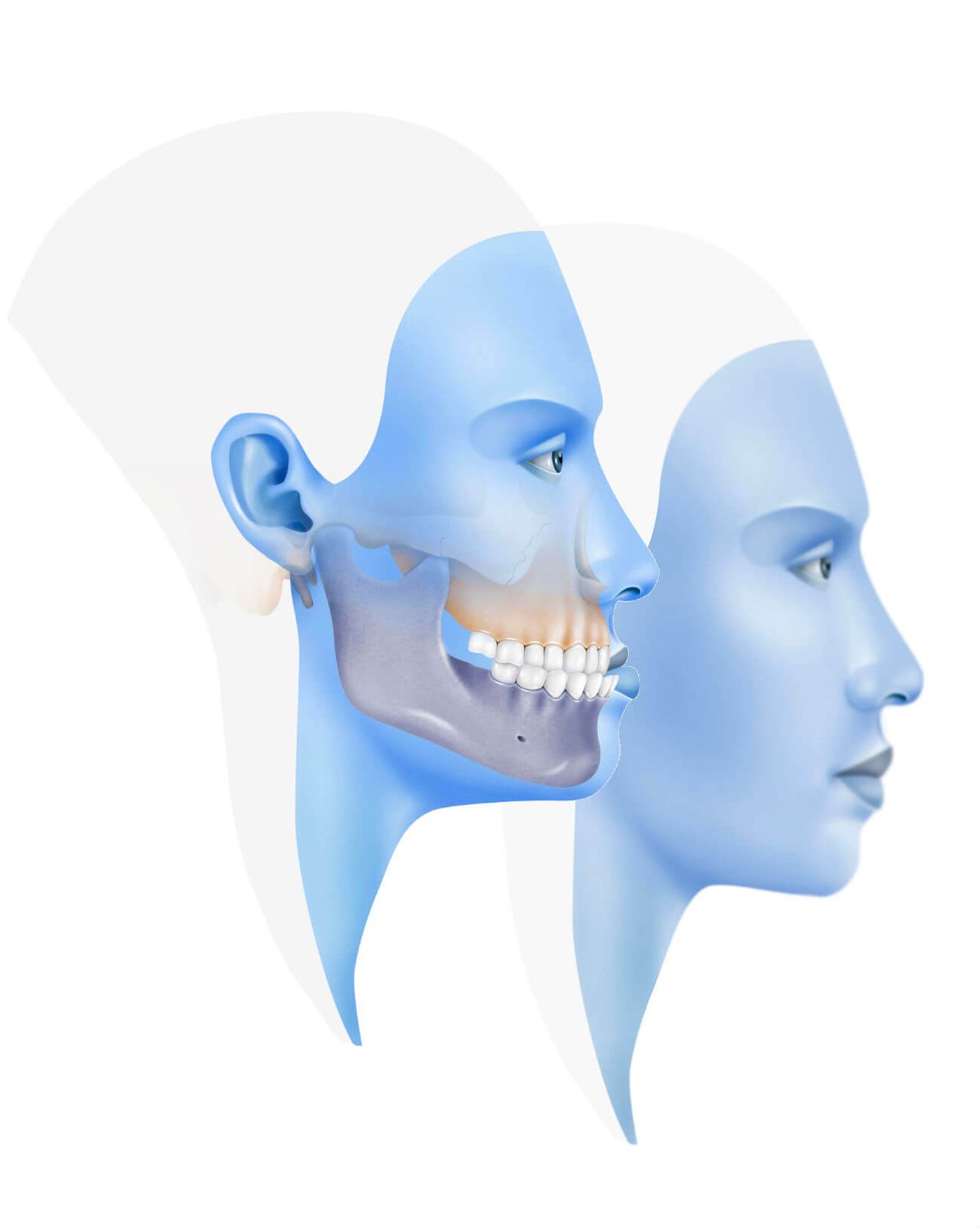
Orthognathic surgery is a specialized surgical procedure that corrects abnormalities of the upper jaw (maxilla), lower jaw (mandible), or both. It is usually performed by an Oral and Maxillofacial Surgeon in collaboration with an orthodontist.
The surgery improves:
- Jaw alignment
- Bite function
- Facial symmetry
- Speech
- Breathing
- Chewing efficiency
It is recommended when jaw discrepancies cannot be corrected with braces or clear aligners alone.
Who Needs Orthognathic Surgery?
Your dentist or orthodontist may recommend corrective jaw surgery if you experience:
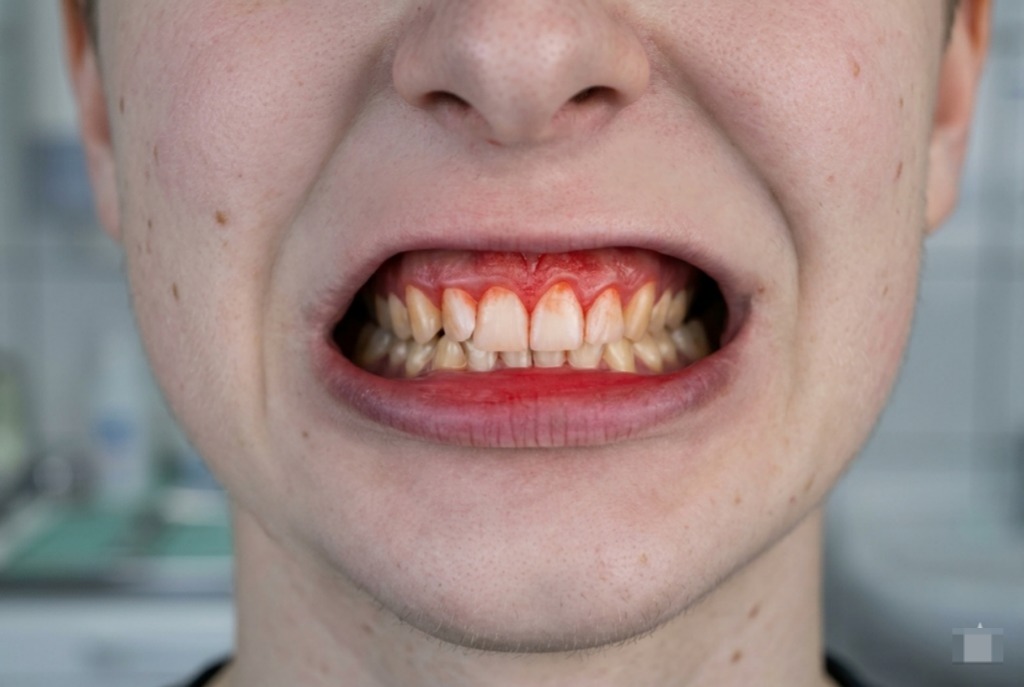
- Severe overbite
- Underbite
- Crossbite
- Open bite
- Difficulty chewing food
- Jaw pain or TMJ problems
- Chronic mouth breathing
- Sleep apnea caused by jaw position
- Facial imbalance
- Difficulty speaking clearly
Signs You May Need Corrective Jaw Surgery
Some common symptoms include:
- Teeth don’t meet properly
- Difficulty biting food
- Jaw clicking or pain
- Uneven facial appearance
- Protruding jaw
- Receding chin
- Frequent headaches
- Breathing difficulties during sleep
Types of Orthognathic Surgery
Upper Jaw Surgery (Maxillary Osteotomy)
Performed to correct:
- Open bite
- Crossbite
- Facial asymmetry
Lower Jaw Surgery (Mandibular Osteotomy)
Recommended for:
- Receding lower jaw
- Protruding jaw
- Severe bite problems
Double Jaw Surgery
Both jaws are repositioned to achieve proper bite function and facial balance.
Chin Surgery (Genioplasty)
Often performed along with orthognathic surgery to improve facial profile.
Benefits of Orthognathic Surgery
Patients often experience significant improvements in both function and appearance.
Benefits include:
- Improved chewing
- Better speech
- Easier breathing
- Reduced jaw pain
- Better facial balance
- Improved smile aesthetics
- Increased confidence
- Long-term oral health
The Orthognathic Surgery Procedure
Treatment generally involves several stages:
1. Initial Consultation
Clinical examination
Digital X-rays
CBCT Scan
Photographs
Bite analysis
2. Orthodontic Treatment
Most patients wear braces for several months before surgery to align the teeth properly.
3. Surgery
The procedure is performed under general anesthesia.
The surgeon carefully repositions the jaw bones and secures them with small titanium plates and screws.
4. Recovery
Most patients stay in the hospital for 1–3 days, with swelling improving over the first few weeks and complete healing taking several months. Recovery varies by individual and the extent of surgery.
Recovery Timeline
Week 1
- Swelling peaks
- Soft diet
- Mild discomfort
Weeks 2–4
- Swelling decreases
- Improved speech
- Gradual return to daily activities
Weeks 6–12
- Jaw healing continues
- Normal eating gradually resumes
6–12 Months
- Complete bone healing
- Final orthodontic adjustments
- Stable bite
Is Orthognathic Surgery Painful?
The surgery itself is painless because it is performed under general anesthesia.
After surgery, patients may experience:
- Swelling
- Mild discomfort
- Temporary numbness
These symptoms usually improve gradually with medication and proper aftercare.
Risks of Orthognathic Surgery
Like any surgical procedure, potential risks include:
- Infection
- Bleeding
- Temporary numbness
- Swelling
- Delayed healing
- Minor bite adjustments
Choosing an experienced surgical team helps minimize these risks.
Frequently Asked Questions
How long does orthognathic surgery take?
Usually between 2–5 hours depending on the complexity.
Can braces alone fix jaw problems?
No. Severe skeletal jaw discrepancies usually require surgery in addition to orthodontic treatment.
Will my face change?
Yes. Most patients notice improved facial symmetry and a more balanced profile.
How long is recovery?
Most patients recover enough to resume normal daily activities within several weeks, while full bone healing takes several months.
Is orthognathic surgery permanent?
Yes. With proper orthodontic care and follow-up, results are generally long-lasting.
Why Choose Zeal N Dentistry?
At Zeal N Dentistry, we focus on personalized treatment planning using advanced diagnostic technology. Our team works closely with oral and maxillofacial specialists to provide comprehensive care for patients requiring complex jaw correction.
Our commitment includes:
- Advanced digital diagnostics
- Personalized treatment planning
- Patient-centered care
- Comprehensive follow-up support
Book Your Consultation Today
If you experience difficulty chewing, speaking, or notice significant jaw misalignment, corrective jaw surgery may be the right solution. Early evaluation can help determine the most appropriate treatment plan.
Book your consultation with Zeal N Dentistry today and take the first step toward improved oral function, facial harmony, and a healthier smile.