Full Mouth Rehabilitation: Who Needs It and What Does It Involve?
A healthy smile is about more than appearance. Your teeth and gums also play an important role in chewing, speaking, comfort, and overall oral function. When several dental problems occur at the same time, treating each tooth separately may not always be the most practical approach.
Full mouth rehabilitation—also called full mouth reconstruction in some dental settings—is a comprehensive approach that combines different restorative and, when appropriate, cosmetic dental treatments to address multiple dental concerns.
If you have several damaged, missing, worn, or heavily restored teeth, you may be wondering whether full mouth rehabilitation is right for you. This guide explains who may need full mouth rehabilitation, what the treatment can involve, how the process works, and what factors can affect the treatment timeline and cost.
What Is Full Mouth Rehabilitation?
Full mouth rehabilitation is a personalized treatment plan designed to restore multiple areas of the mouth.
Unlike a single dental procedure, it may involve several treatments planned together to improve oral health, chewing function, tooth structure, bite, and appearance.
Depending on your needs, treatment may include:
- Dental crowns
- Dental bridges
- Dental implants
- Root canal treatment
- Dental fillings
- Inlays or onlays
- Dentures
- Gum treatment
- Bite or occlusion management
- Cosmetic dental procedures
Restorative dentistry commonly includes treatments such as crowns, bridges, implants, and dentures to repair or replace damaged and missing teeth.
There is no single full mouth rehabilitation plan that works for everyone. The treatment is developed according to the condition of your teeth, gums, jaw, bite, and overall oral health.
Who May Need Full Mouth Rehabilitation?
Full mouth rehabilitation may be considered when a person has multiple significant dental problems that need to be addressed as part of one coordinated treatment plan.
You may be a candidate if you have several of the following concerns:
1. Multiple Damaged or Broken Teeth
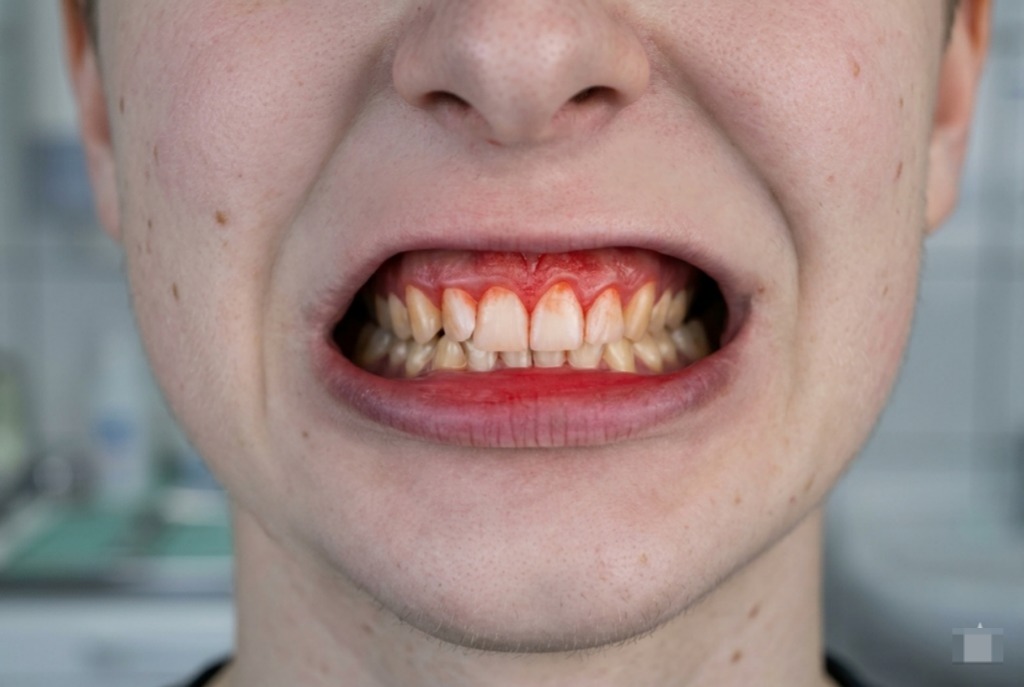
Teeth that are severely worn, cracked, broken, or weakened may require restorative treatment.
Depending on the amount of remaining tooth structure, a dentist may recommend fillings, crowns, inlays, onlays, or other restorations.
2. Multiple Missing Teeth
Missing several teeth can affect chewing and speaking and may also allow remaining teeth to shift over time.
Treatment options can include dental implants, bridges, partial dentures, or other tooth-replacement solutions.
3. Severe Tooth Wear
Teeth can become worn down over time for different reasons.
Significant tooth wear may affect tooth structure, appearance, and the way the upper and lower teeth meet.
A comprehensive assessment can help determine the cause and appropriate treatment.
4. Extensive Tooth Decay
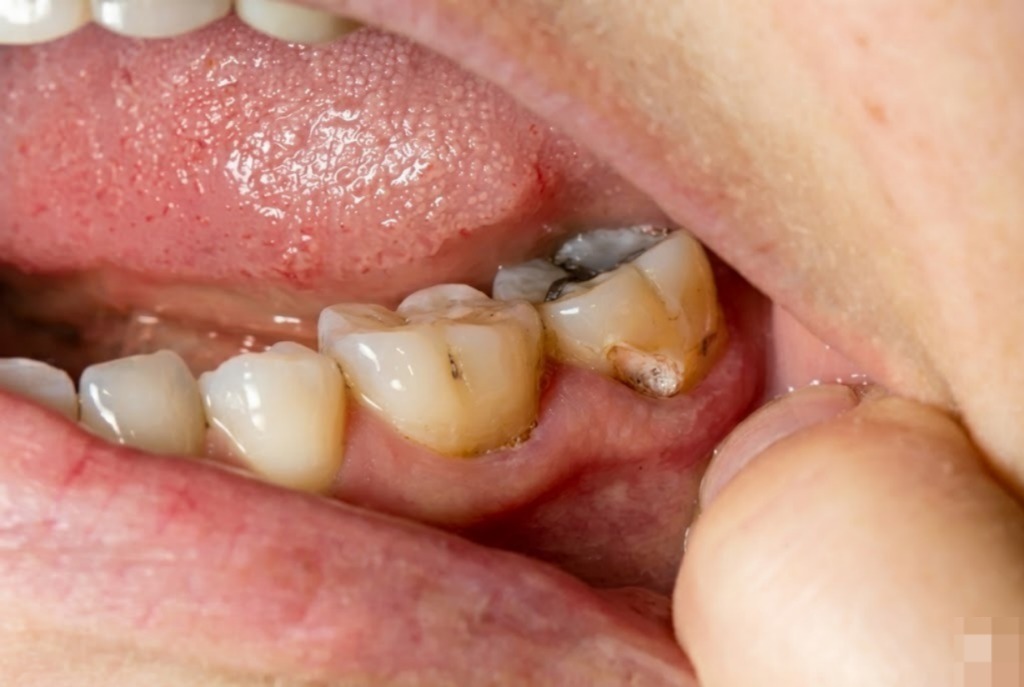
Multiple cavities or severely decayed teeth may require several restorative procedures.
If decay has reached the pulp of a tooth, root canal treatment may be necessary.
5. Long-Standing Dental Problems
Some people have postponed dental treatment for many years and eventually develop several issues at once.
Instead of treating each problem independently without an overall plan, the dentist may develop a comprehensive sequence of treatments.
6. Problems With Your Bite
The way your upper and lower teeth come together is an important part of treatment planning.
A comprehensive dental assessment may be appropriate if you have concerns such as an uneven bite, difficulty chewing, or significant wear associated with the way your teeth meet. Complex restorative cases may involve bite analysis and coordinated prosthodontic treatment.
What Does Full Mouth Rehabilitation Involve?
The exact treatment depends on your dental condition.
Here are some of the procedures that may form part of a full mouth rehabilitation plan.
Dental Crowns
A crown is a tooth-shaped restoration that covers a damaged or weakened tooth.
Crowns may be used to restore broken, heavily decayed, or worn teeth and can also be placed over dental implants or certain root canal-treated teeth.
Dental Bridges
A dental bridge can replace one or more missing teeth by using surrounding teeth or dental implants for support, depending on the type of bridge.
Bridges can help restore chewing and fill spaces created by missing teeth.
Dental Implants
Dental implants are placed into the jawbone and can provide support for replacement teeth.
They may be used to support individual crowns, bridges, or certain types of dentures.
Root Canal Treatment
If a tooth has infected or inflamed pulp, root canal treatment may be included as part of the overall rehabilitation plan.
The goal is to treat the affected tooth and, when appropriate, preserve it so it can be restored.
Fillings and Other Restorations
Teeth with smaller areas of decay or damage may be restored with fillings, while larger areas of damage may require inlays, onlays, or crowns.
Dentures
For patients with multiple or complete tooth loss, partial or complete dentures may be considered.
Implant-supported dentures may also be an option for appropriate patients.
Gum Treatment
Healthy gums are an important foundation for restorative dental treatment.
If gum disease or other gum problems are present, periodontal treatment may need to be completed before or alongside restorative procedures.
What Is the Full Mouth Rehabilitation Process?
Because every case is different, your treatment process will be personalized.
Step 1: Comprehensive Dental Examination
Your dentist first evaluates your teeth, gums, bite, existing restorations, and missing teeth.
Dental X-rays, photographs, scans, or other diagnostic tools may be recommended depending on your case.
Step 2: Identify the Main Dental Problems
The dental team determines which teeth can be restored, which may need replacement, and whether gum or bite problems need to be addressed.
Step 3: Create a Personalized Treatment Plan
Your dentist develops a sequence for treatment.
For example, active dental disease may need to be addressed before permanent restorations are placed.
Step 4: Treat Existing Dental Problems
Depending on your condition, treatment may include fillings, root canals, gum treatment, extractions, or other procedures.
Step 5: Restore Damaged or Missing Teeth
Crowns, bridges, implants, dentures, or other restorations may then be used to rebuild the affected areas.
Step 6: Check Function and Bite
Your dentist evaluates how the restorations work together and whether your bite is comfortable and functional.
Step 7: Follow-Up and Maintenance
Once treatment is complete, regular dental examinations and good oral hygiene are important for maintaining your oral health and restorations.
How Long Does Full Mouth Rehabilitation Take?
There is no fixed timeline for full mouth rehabilitation.
Treatment may take several appointments or extend over a longer period depending on the complexity of the case.
Factors that can affect the timeline include:
- Number of teeth requiring treatment
- Number of missing teeth
- Need for dental implants
- Need for root canal treatment
- Gum health
- Bone condition
- Type of restorations required
- Healing time after surgical procedures
- Whether temporary restorations are needed
For example, dental implants require a healing period during which the implant integrates with the surrounding bone before the final restoration may be placed in many cases.
Your dentist can provide a more specific timeline after completing your examination.
Is Full Mouth Rehabilitation Painful?
The level of discomfort depends on which procedures are included in your treatment plan.
Many dental procedures are performed using local anesthesia. Some treatments may cause temporary sensitivity or discomfort during recovery.
Your dentist should explain:
- What each procedure involves
- What you may feel during treatment
- Expected recovery
- Aftercare instructions
- When to contact the dental clinic
If you experience significant or unexpected symptoms during recovery, contact your dental provider.
What Are the Benefits of Full Mouth Rehabilitation?
The potential benefits depend on your individual condition and the treatments included.
A comprehensive treatment plan may help:
Restore Chewing Function
Damaged or missing teeth can affect the way you chew. Restoring appropriate tooth structure and replacing missing teeth can help improve oral function.
Address Multiple Dental Problems Together
Rather than treating unrelated issues without an overall plan, multiple treatments can be coordinated.
Restore Damaged Teeth
Crowns, fillings, root canals, and other restorative procedures can help address damaged or diseased teeth.
Replace Missing Teeth
Implants, bridges, and dentures can provide different options for replacing missing teeth.
Improve Smile Appearance
Some restorative procedures can also improve the appearance of damaged, worn, or missing teeth.
However, the primary treatment plan should be based on your oral health and functional needs, with cosmetic goals considered as appropriate.
Is Full Mouth Rehabilitation the Same as a Smile Makeover?
No. Although there can be some overlap, they are not necessarily the same.
A smile makeover generally focuses more heavily on the appearance of the smile and may include treatments such as veneers, whitening, or cosmetic bonding.
Full mouth rehabilitation, on the other hand, is generally focused on addressing multiple functional and restorative dental problems across the mouth.
A patient may require both restorative and cosmetic treatment, but the appropriate approach depends on their dental condition.
How Much Does Full Mouth Rehabilitation Cost?
The full mouth rehabilitation cost varies considerably because every treatment plan is different.
The total cost may depend on:
- Number of teeth being treated
- Number of missing teeth
- Type of restorations
- Number of dental implants
- Need for root canal treatment
- Gum treatment
- Diagnostic procedures
- Materials used
- Complexity of the case
- Number of appointments required
Because of these variables, an accurate price cannot be determined from the treatment name alone.
A dental consultation and comprehensive examination are necessary to develop an individualized estimate.
How to Prepare for Full Mouth Rehabilitation
Before beginning treatment, make sure you understand your complete treatment plan.
Ask your dentist:
- Which teeth need treatment?
- Which teeth can be preserved?
- What procedures are recommended?
- Why is each procedure necessary?
- What is the expected treatment sequence?
- How long may the complete process take?
- What are the available alternatives?
- What will the estimated cost include?
- What maintenance will be required afterward?
Understanding the plan can help you make informed decisions about your dental care.
Why Choose Zeal N Dentistry for Full Mouth Rehabilitation?
Zeal N Dentistry offers Full Mouth Rehabilitation alongside restorative and cosmetic dental treatments such as dental implants, crowns, veneers, Invisalign, and teeth whitening. Zeal N Dentistry
For patients with multiple dental concerns, a comprehensive consultation can help identify which treatments may be needed and how they can be coordinated into an individualized treatment plan.
The appropriate treatment depends on a detailed dental examination rather than the number of procedures alone.
Frequently Asked Questions About Full Mouth Rehabilitation
What is full mouth rehabilitation?
Full mouth rehabilitation is a comprehensive dental treatment plan that addresses multiple dental problems involving damaged, worn, decayed, or missing teeth. It may combine restorative, implant, periodontal, and cosmetic procedures depending on the patient’s needs.
Who is a candidate for full mouth rehabilitation?
People with multiple significant dental problems may be candidates. These can include extensive tooth decay, multiple missing teeth, severely worn teeth, damaged restorations, or problems affecting chewing and bite.
How long does full mouth rehabilitation take?
The timeline varies depending on the number and complexity of treatments. Some cases can be completed relatively quickly, while others require several stages and healing periods.
Is full mouth rehabilitation permanent?
Some restorations can last for many years with proper care, but no dental restoration is guaranteed to last forever. Longevity depends on factors such as oral hygiene, bite forces, materials, general dental health, and regular maintenance.
Does full mouth rehabilitation include dental implants?
It can. Dental implants may be included when missing teeth need to be replaced and the patient is an appropriate candidate.
Is full mouth rehabilitation only for older adults?
No. The need for comprehensive dental rehabilitation is based on dental condition rather than age alone. People can develop extensive dental problems for many different reasons.
Can full mouth rehabilitation improve my smile?
It can improve the appearance of teeth when restorative or cosmetic treatments are included. However, treatment planning should consider oral health and function as well as aesthetics.
Final Thoughts
Full mouth rehabilitation can be an option for patients dealing with multiple dental problems that require a coordinated approach.
Depending on your individual needs, treatment may involve crowns, bridges, dental implants, root canal treatment, fillings, dentures, gum treatment, or other restorative procedures.
The first step is a comprehensive dental examination. Your dentist can evaluate your teeth, gums, bite, and existing restorations and then explain which treatments may be appropriate.
If you have multiple damaged, worn, decayed, or missing teeth, a consultation with a qualified dental professional can help you understand your treatment options.
Considering full mouth rehabilitation? Contact Zeal N Dentistry to schedule a consultation and discuss a personalized treatment plan