Common Signs You May Need a Root Canal: Symptoms, Causes & Treatment Guide
A toothache does not always mean you need a root canal. However, certain symptoms can indicate that the soft tissue inside a tooth—the dental pulp—has become inflamed or infected and may require endodontic treatment.
Recognizing the signs you may need a root canal can help you seek dental care before the problem becomes more serious. A dentist can examine the tooth, take appropriate X-rays or other images, and determine whether root canal treatment is necessary.
In this guide, we explain the most common root canal symptoms, why they occur, when you should see a dentist, and what you can expect from treatment.
What Is a Root Canal?
A root canal is a dental treatment used to treat inflammation or infection affecting the pulp inside a tooth.
The pulp contains nerves and blood vessels. It can become damaged because of:
- Deep tooth decay
- A crack or fracture
- Repeated dental procedures
- Trauma or injury
- Bacterial infection
During root canal treatment, the dentist removes the affected pulp, cleans and disinfects the inside of the tooth, fills the space, and seals the tooth. A crown may be recommended afterward depending on the condition and location of the tooth.
Common Signs You May Need a Root Canal
Symptoms can vary from person to person. Some people experience significant discomfort, while others may have few or no noticeable symptoms.
Here are some common signs that should be evaluated by a dentist.
1. Persistent Tooth Pain
One of the most common signs you may need a root canal is ongoing or recurring tooth pain.
The pain may occur spontaneously or become noticeable when you:
- Bite or chew
- Apply pressure to the tooth
- Eat certain foods
- Lie down
- Touch the affected area
Persistent dental pain does not automatically mean you need a root canal, but it should be evaluated to determine the underlying cause.
2. Sensitivity to Hot and Cold
Another possible root canal symptom is prolonged sensitivity to hot or cold foods and drinks.
For example, you may notice pain after drinking:
- Hot tea or coffee
- Cold water
- Ice-cold beverages
- Eating cold foods
If the discomfort continues after the temperature stimulus is removed, it is particularly important to have the tooth examined.
However, temperature sensitivity can have many causes, including cavities, gum recession, worn enamel, or other dental problems.
3. Pain When Biting or Chewing
If a particular tooth hurts when you bite down or chew, it may indicate an underlying dental problem.
Pain when chewing can occur with pulp inflammation, infection, cracks, or other conditions.
Your dentist can identify the cause through a clinical examination and appropriate diagnostic tests.
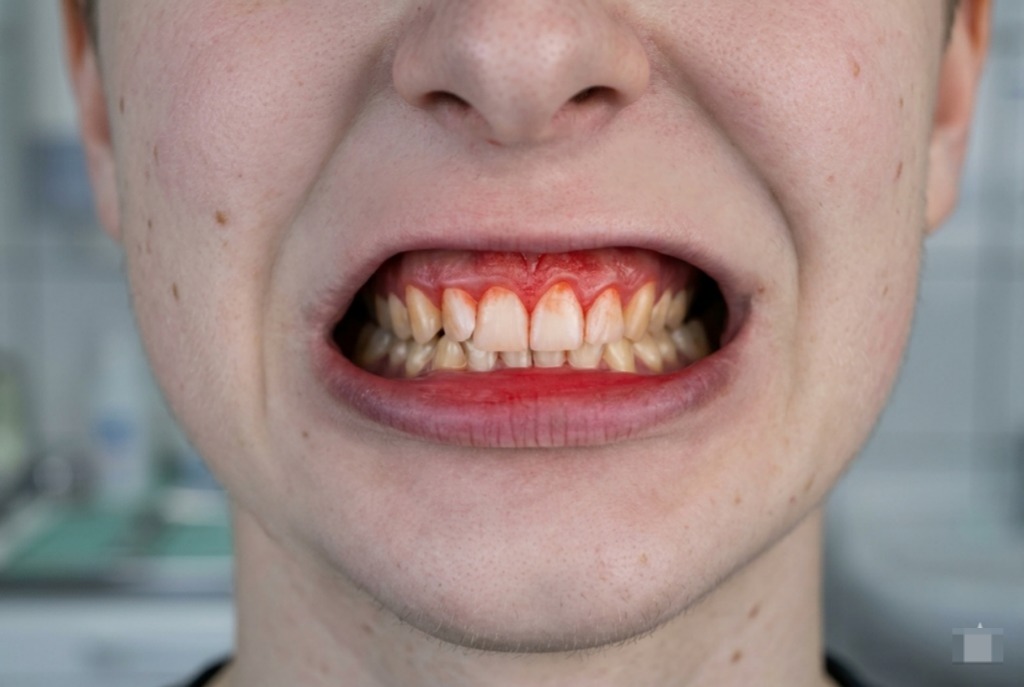
4. Swelling Around the Tooth
Swelling around a tooth or gum area can be a sign of infection.
You may notice:
- Swollen gums
- Tenderness around a tooth
- Facial swelling
- A small raised area on the gum
Swelling should not be ignored. A dental infection can require prompt professional evaluation.
5. A Pimple or Bump on the Gums
A small recurring bump on the gum near a tooth can sometimes indicate that an infection has developed around the root.
It may come and go, and it may not always cause severe pain.
If you notice a persistent or recurring bump near a tooth, schedule a dental examination.
6. Tooth Discoloration
A tooth that becomes darker or changes color can sometimes indicate damage to the pulp.
Discoloration can have several causes, including trauma and previous dental treatment, so it does not necessarily mean a root canal is required.
A dentist can determine whether the discoloration is associated with an underlying problem.
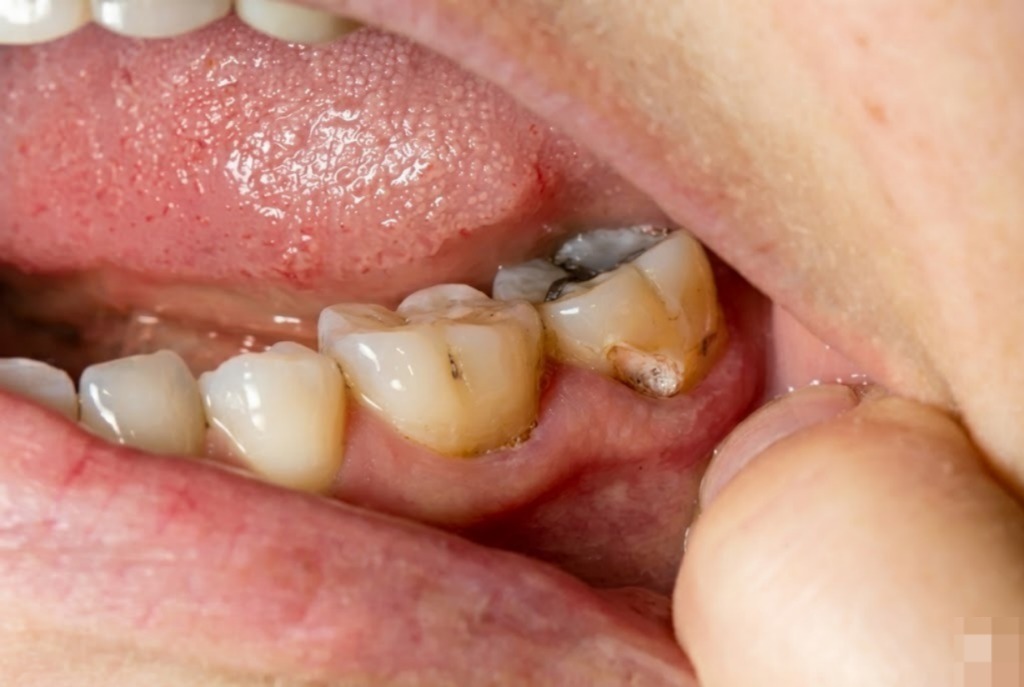
7. Deep Tooth Decay
A cavity that extends deep into a tooth can eventually affect the dental pulp.
If decay reaches the pulp, bacteria can cause inflammation or infection.
This is one reason why treating cavities early can be important for protecting the tooth and potentially avoiding more extensive treatment.
8. A Cracked or Damaged Tooth
A cracked tooth can allow bacteria to reach deeper parts of the tooth.
Depending on the location and severity of the crack, treatment may involve a filling, crown, root canal treatment, extraction, or another approach.
If you have damaged a tooth and are experiencing pain or sensitivity, arrange a dental examination.
Can You Need a Root Canal Without Pain?
Yes.
Not everyone who requires root canal treatment experiences significant pain.
Sometimes a dental infection can develop with limited symptoms, particularly in its later stages. A dentist may discover the problem during a routine examination or dental X-ray.
This is why regular dental checkups can be valuable even when your teeth feel normal.
What Causes a Tooth to Need a Root Canal?
Several dental problems can damage or infect the pulp.
Deep Cavities
Untreated tooth decay can progress deeper into the tooth and eventually affect the pulp.
Dental Trauma
A blow or injury to a tooth can damage the pulp even if there is no obvious crack.
Cracks and Fractures
Cracks can allow bacteria to enter deeper parts of the tooth.
Repeated Dental Procedures
A tooth that has undergone multiple procedures may sometimes develop pulp problems.
When Should You See a Dentist?
You should arrange a dental appointment if you experience:
- Persistent tooth pain
- Prolonged hot or cold sensitivity
- Pain when biting
- Swelling around a tooth
- A recurring bump on the gums
- Unexplained tooth discoloration
- A damaged or cracked tooth
Do not wait for severe pain before seeking dental care.
If you develop significant facial swelling, difficulty swallowing or breathing, or feel seriously unwell, seek urgent medical attention.
How Does a Dentist Determine Whether You Need a Root Canal?
Your dentist will first examine the affected tooth and ask about your symptoms.
Depending on the situation, diagnostic evaluation may include:
Clinical Examination
The dentist checks the tooth, gums, surrounding tissues, and your bite.
Sensitivity Testing
The dentist may perform tests to evaluate how the tooth responds to temperature or other stimuli.
X-Rays
Dental X-rays can help identify changes around the root and surrounding bone.
Additional Diagnostic Tests
Depending on the case, your dentist may use other diagnostic methods to determine the source of the problem.
The diagnosis should be based on the complete clinical picture rather than one symptom alone.
What Happens During Root Canal Treatment?
If your dentist determines that root canal treatment is appropriate, the procedure generally involves several stages.
Step 1: Numbing the Tooth
Local anesthesia is used to numb the treatment area.
Step 2: Accessing the Tooth
The dentist creates an opening to access the pulp chamber and root canals.
Step 3: Cleaning the Canals
The infected or inflamed pulp is removed, and the canals are carefully cleaned and disinfected.
Step 4: Filling the Canals
The cleaned canals are filled with a suitable material and sealed.
Step 5: Restoring the Tooth
Depending on the condition of the tooth, a filling or dental crown may be recommended to restore its strength and function.
Is Root Canal Treatment Painful?
Modern root canal treatment is performed using local anesthesia to numb the area.
You should discuss any concerns about discomfort with your dentist before treatment. Some tenderness may occur after treatment, but your dental professional can explain what to expect and provide appropriate aftercare instructions.
What Happens If You Don’t Treat an Infected Tooth?
If an infected or severely inflamed tooth is left untreated, the condition can worsen.
Possible complications may include:
- Increasing pain
- Swelling
- Infection around the root
- Damage to surrounding tissues
- Loss of the affected tooth
The sooner the cause of dental symptoms is identified, the more treatment options may be available.
Can a Root Canal Save Your Natural Tooth?
In many appropriate cases, root canal treatment can allow a damaged or infected tooth to be retained rather than extracted.
After the root canal, the tooth may need a suitable restoration to protect it from further damage.
Whether a tooth can be saved depends on factors such as the amount of remaining tooth structure, the extent of damage, gum health, and the overall condition of the tooth.
Root Canal Treatment at Zeal N Dentistry
Zeal N Dentistry provides dental treatment options including restorative and general dentistry. If you are experiencing root canal symptoms, a professional examination can help determine whether root canal treatment or another dental procedure is appropriate. Zeal N Dentistry
The clinic can evaluate your dental concerns and develop a treatment plan based on your individual condition.
Frequently Asked Questions About Root Canal Symptoms
What is the biggest sign that you need a root canal?
Persistent tooth pain, prolonged sensitivity to hot or cold, pain when biting, and swelling can be possible signs. However, symptoms alone cannot confirm that a root canal is needed.
Can a tooth need a root canal without hurting?
Yes. Some dental infections may cause little or no noticeable pain. A dentist may identify the problem during an examination or through dental imaging.
Does sensitivity to cold mean I need a root canal?
Not necessarily. Cold sensitivity can be caused by several dental problems. A dentist needs to examine the tooth to determine the cause.
How do I know if my tooth infection is serious?
Increasing pain, swelling, fever, facial swelling, or feeling unwell can indicate a potentially serious dental infection. Significant facial swelling or difficulty breathing or swallowing requires urgent medical attention.
Can a root canal save a damaged tooth?
In suitable cases, root canal treatment can help preserve a natural tooth by treating the infected or inflamed pulp. Your dentist will determine whether the tooth can be restored.
How long does root canal treatment take?
Treatment time varies depending on the tooth, the extent of infection or inflammation, and the complexity of the root canals. Your dentist can provide a more specific estimate after examination.
Final Thoughts
Knowing the common signs you may need a root canal can help you recognize when it is time to seek professional dental care. Persistent pain, prolonged sensitivity, pain while chewing, swelling, discoloration, and deep decay should not be ignored.
However, these symptoms can have multiple causes, so self-diagnosis is not recommended. A dental examination and appropriate diagnostic tests are necessary to determine whether root canal treatment is actually needed.
If you are experiencing tooth pain or other root canal symptoms, schedule an appointment with Zeal N Dentistry for a professional evaluation.
Don’t ignore persistent tooth pain. Get your tooth evaluated and understand your treatment options.