Root Canal Therapy: Rescuing Teeth, Restoring Confidence
A painful or damaged tooth can affect much more than your ability to eat comfortably. Persistent toothache, sensitivity to hot and cold, swelling, or pain while chewing may indicate an infection deep inside the tooth. When the dental pulp becomes infected or inflamed, root canal therapy can help save the natural tooth and restore your oral health.
At Zeal Dentistry, our goal is to provide comfortable, precise, and patient-focused dental care while preserving your natural teeth whenever possible.
What Is Root Canal Therapy?
Root canal therapy, commonly known as a root canal treatment, is a dental procedure used to treat infection or inflammation inside a tooth.
Inside every tooth is a soft tissue called the dental pulp, which contains nerves and blood vessels. Deep decay, cracks, trauma, or repeated dental procedures can damage this pulp and allow bacteria to cause an infection.
During root canal treatment, the infected or damaged pulp is carefully removed. The inside of the tooth is then cleaned, disinfected, shaped, and sealed to prevent further infection.
The tooth can subsequently be restored with a suitable filling or dental crown, depending on the amount of damage.
Why Might You Need a Root Canal?
Not every toothache requires root canal therapy. However, certain symptoms can indicate that the infection has reached the inner portion of the tooth.
Common signs include:
- Persistent or severe toothache
- Prolonged sensitivity to hot or cold foods and drinks
- Pain when biting or chewing
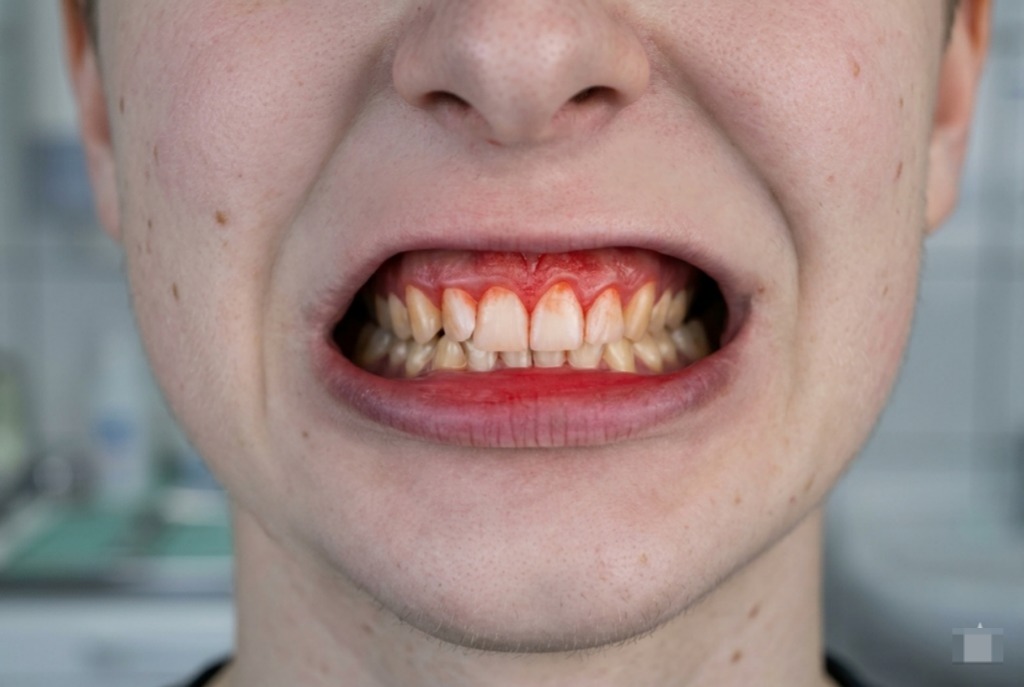
- Swelling around the affected tooth
- Tender or swollen gums
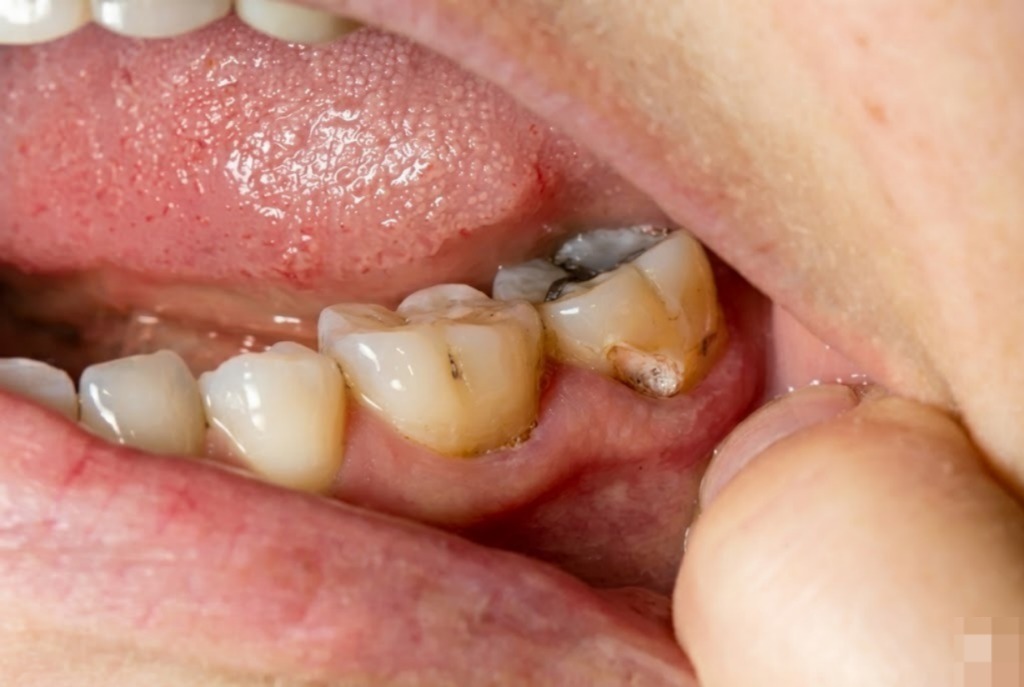
- A darkened or discoloured tooth
- A recurring pimple or abscess on the gums
- Pain that spreads toward the jaw, ear, or surrounding teeth
Sometimes, an infected tooth may cause little or no pain, particularly if the nerve has become non-vital. Regular dental examinations can help identify problems before they become more serious.
What Causes Tooth Infection?
Several dental problems can allow bacteria to reach the pulp of a tooth.
1. Deep Tooth Decay
Untreated cavities can gradually move deeper into the tooth. When decay reaches the pulp, inflammation or infection may develop.
2. Cracked or Fractured Teeth
A crack can create a pathway for bacteria to enter the inner tooth. Depending on the location and severity of the fracture, root canal treatment may be recommended.
3. Dental Trauma
An injury to a tooth can damage the pulp, even when there is no obvious crack or fracture.
4. Repeated Dental Procedures
Multiple procedures on the same tooth can sometimes irritate or damage the pulp, potentially leading to inflammation.
What Happens During Root Canal Treatment?
The procedure generally involves several important stages.
Step 1: Examination and Diagnosis
Your dentist will examine the tooth and may recommend dental X-rays or other diagnostic tests. This helps determine the extent of the infection and whether root canal treatment is appropriate.
Step 2: Local Anaesthesia
Local anaesthesia is used to numb the affected area, helping make the procedure comfortable.
Step 3: Accessing the Tooth
A small opening is made in the tooth to access the infected pulp chamber and root canals.
Step 4: Cleaning the Root Canals
The infected or damaged pulp is removed. The root canals are carefully cleaned and disinfected to eliminate bacteria and infected tissue.
Step 5: Filling and Sealing
After cleaning and shaping, the canals are filled with a specialised dental material and sealed to help prevent bacteria from entering again.
Step 6: Restoring the Tooth
Depending on the condition of the tooth, your dentist may recommend a permanent filling or a dental crown. A crown can provide additional protection to a tooth that has become structurally weakened.
Is Root Canal Treatment Painful?
One of the biggest misconceptions about root canal treatment is that it is extremely painful.
With modern dental techniques and local anaesthesia, most patients can undergo the procedure comfortably. Some tenderness or mild discomfort may occur after treatment, particularly for a few days, but this is usually manageable with the aftercare recommended by your dentist.
In many cases, root canal therapy actually relieves the pain caused by an infected tooth rather than causing it.
Benefits of Saving Your Natural Tooth
When possible, preserving your natural tooth has several advantages.
Maintains natural function: A treated tooth can continue to help you bite and chew normally.
Preserves your smile: Keeping the natural tooth can help maintain the appearance of your smile.
Helps maintain alignment: Losing a tooth can allow neighbouring teeth to shift over time.
Avoids unnecessary extraction: Root canal therapy can provide an alternative to removing an infected tooth when the tooth is restorable.
Supports long-term oral health: Treating the infection can help prevent it from progressing into surrounding tissues.
Root Canal vs. Tooth Extraction
When a tooth is severely infected, patients sometimes assume extraction is the only option. However, if the tooth can be successfully restored, root canal treatment may allow you to keep your natural tooth.
Extraction removes the tooth completely and may require a replacement such as a dental implant, bridge, or removable prosthesis.
Your dentist can assess the tooth and explain whether saving it is a realistic option based on its condition.
What Happens After Root Canal Treatment?
Following treatment, your dentist will provide specific aftercare instructions.
You may experience some temporary sensitivity or tenderness. It is generally advisable to avoid chewing hard or sticky foods with the treated tooth until your dentist confirms that the final restoration is complete.
If a crown has been recommended, completing the restoration is important because a root-treated tooth can be more susceptible to fracture, particularly when significant tooth structure has been lost.
Maintaining good brushing, flossing, and regular dental check-ups also remains essential after treatment.
Can a Root Canal Treatment Fail?
Root canal treatment has a high success rate, but no dental procedure can guarantee permanent results.
A treated tooth can develop problems again if bacteria re-enter the tooth, if an untreated canal is present, if the tooth develops a new crack, or if the final restoration becomes damaged.
If you experience renewed pain, swelling, or sensitivity after treatment, consult your dentist promptly.
When Should You See a Dentist?
Don’t wait for severe pain before scheduling a dental appointment.
If you notice persistent tooth sensitivity, pain while chewing, swelling, gum tenderness, or a change in tooth colour, professional evaluation is important. Early diagnosis can sometimes prevent a minor dental problem from becoming a more complicated infection.
A dental abscess or untreated tooth infection should not be ignored, as the infection can spread beyond the tooth.
Root Canal Therapy at Zeal Dentistry
At Zeal Dentistry, we focus on providing personalised dental treatment designed around each patient’s needs. Our dental team evaluates the condition of your tooth before recommending treatment and explains the available options clearly.
If you are experiencing persistent tooth pain or have been advised that you need a root canal, a timely dental assessment can help determine the best course of action.
Don’t let dental pain compromise your smile or everyday comfort. Saving your natural tooth may be possible with the right treatment.
Book Your Root Canal Consultation
Have a painful or damaged tooth? Speak with the dental team at Zeal Dentistry and find out whether root canal therapy could help save your natural tooth.
Book your appointment today and take the first step toward a healthier, more confident smile.
Frequently Asked Questions
How long does a root canal treatment take?
The duration depends on the tooth, the number of canals, and the complexity of the infection. Some treatments can be completed in one appointment, while more complex cases may require additional visits.
How long does a root-treated tooth last?
With proper oral hygiene, regular dental check-ups, and a suitable final restoration, a root-treated tooth can remain functional for many years.
Can a root canal prevent tooth extraction?
In many cases, yes. If the tooth is structurally restorable, root canal therapy can remove the infection while allowing you to retain the natural tooth.
Can I eat after a root canal?
Your dentist will advise you when and what you can eat. It is generally best to avoid chewing hard foods on the treated tooth until the permanent restoration has been completed.
Is root canal treatment better than extraction?
If the tooth can be predictably restored, preserving the natural tooth through root canal therapy may be preferable to extraction. Your dentist can recommend the most appropriate option after examining your tooth.